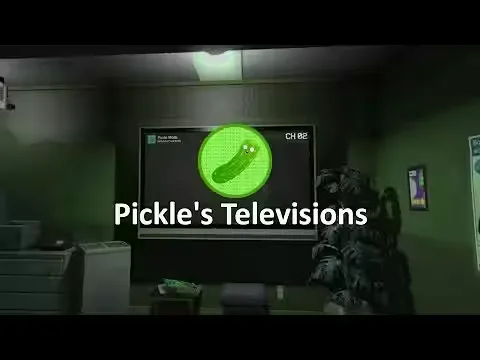
Free Television Script by Pickle Mods
FREE
Free in-game TVs that play YouTube, Twitch and any web page
Lifetime updates
Downtime kills a server faster than bugs do. These FiveM activity and minigame scripts give players something to do between scenes, whether that is a full bowling alley or a claw machine in a corner shop. Most support ESX, QBCore and Qbox, and plenty run standalone.
Free in-game TVs that play YouTube, Twitch and any web page
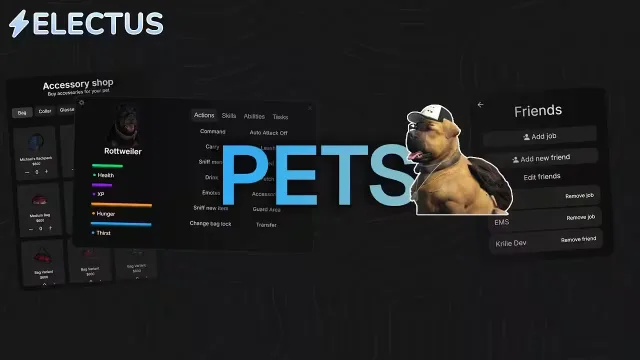
Every level gives a skill point to shape your pet
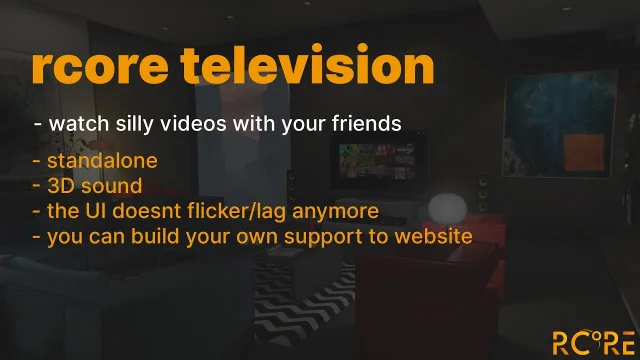
Server-synced TVs that play any stream with 3D sound
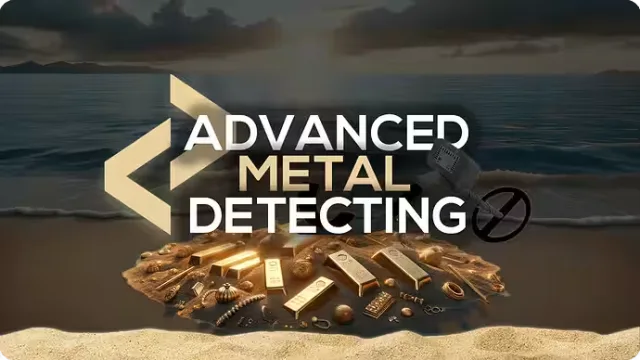
Beach and dirt sweeps with 5 detectors and a loot pool you tune
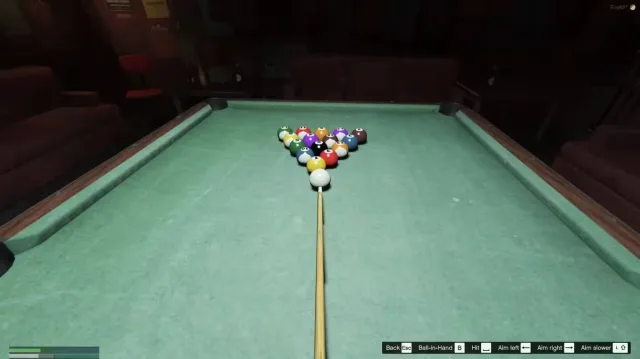
Every billiards table on the map becomes playable, fully synced
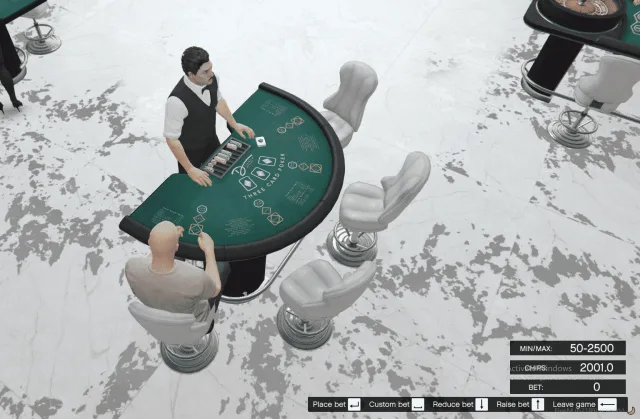
Every casino game your players want, in one qb-casino drop
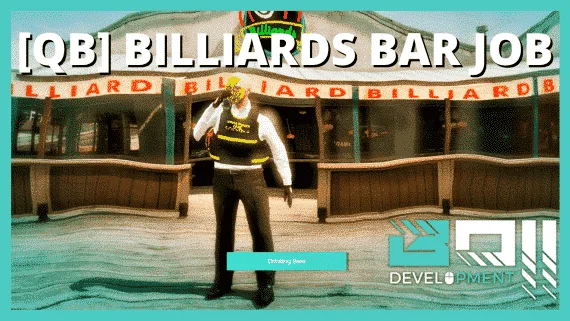
Run Patoche's billiards bar, pull pints, mix cocktails, feed the office snake
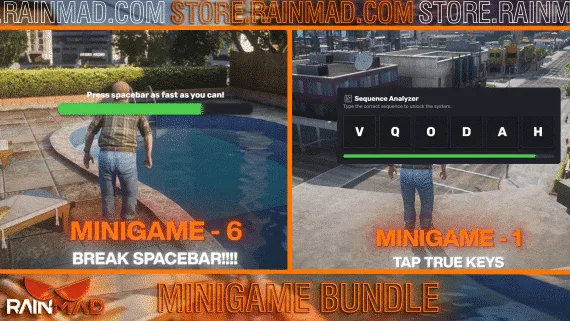
Sixteen heist minigames behind one export each
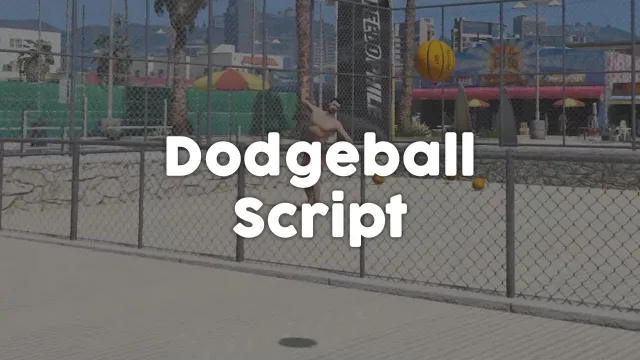
Ten player dodgeball matches on a Vespucci Beach court

Synced hunting zones with chance-based hides and meat
Antizin pauses the horde, Adrenalin brings it right back
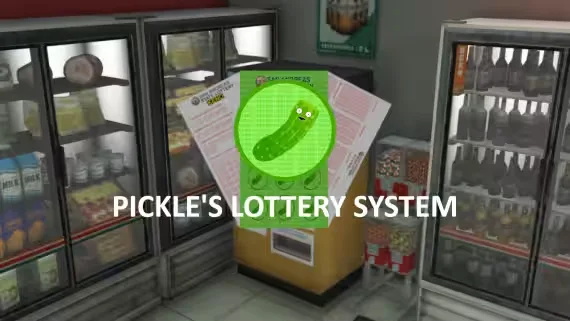
Keno, Moneyball and three scratch-offs sold at every lottery station
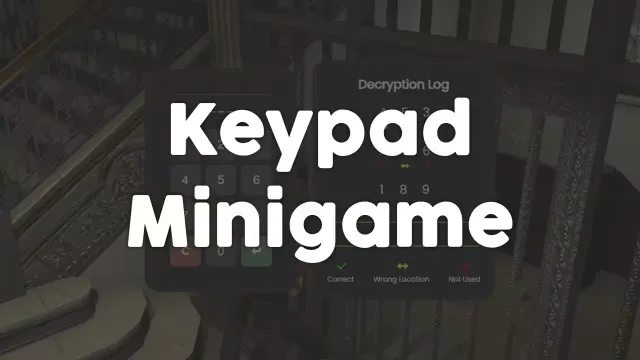
Standalone PIN cracking with configurable attempts and open source
Jobs, heists and gangs keep a FiveM economy moving, but activities are what keep players logged in when nothing is scheduled. A city with a working bowling alley, a dart board in the pub and an arcade cabinet in the corner shop gives people a reason to stand around together, and standing around together is where roleplay actually starts. This category collects the scripts that fill that dead air.
The range is wide. On one end sit full venue scripts, bowling with physics on the ball, pool tables where the cue ball actually rolls, basketball courts with a scoreboard. On the other end sit quick minigames, claw machines, arcade cabinets with playable games inside the UI, scratch cards, chess boards, plus fishing and hunting loops that feed items back into your economy. Some ship with their own interiors, some drop into an MLO you already run, and some are just a prop and a target interaction.
The line between a good activity script and a filler one is sync. If a player throws a dart, everyone at the board should watch it land. A bowling script that only renders the ball for the person playing is a solo minigame wearing a multiplayer costume, and your players will notice within a day. The scripts in this category are picked with that test in mind.
Most activity scripts here support ESX, QBCore and Qbox, usually through a bridge folder you point at your framework, and a good number run standalone for cities on custom builds. Common dependencies are ox_lib for UI and callbacks, plus ox_target or qb-target for interactions. Fishing and hunting scripts typically register their own items, so expect a short setup step in ox_inventory or qb-inventory before rods and rifles do anything.
Install is the usual routine. Drag the resource into your resources folder, ensure it in server.cfg after its dependencies, then open the config to set locations, payouts and any Discord webhooks. Venue scripts add one more step, placing the activity at the right coordinates for your MLO. Each product page lists its dependencies and states whether an interior is included, so read that before checkout rather than after.
Every script in this category goes up with its requirements stated plainly: framework support, dependencies, escrow status and whether you need an MLO. No surprises in the readme after payment. Delivery is instant, updates come through your account, and when a framework update breaks an interaction we chase the fix instead of pointing you at a Discord and wishing you luck.
If you are building out a city, start with one venue activity and one loop activity. A bowling alley or an arcade gives groups somewhere to go, and fishing or hunting gives solo players something to grind between scenes. Those two together cover most of a server's quiet hours, and quiet hours are what make people log off.
Most of them do, usually through a bridge file you point at your framework during setup. Qbox is commonly covered too, either natively or through its QBCore compatibility layer. Each product page lists exactly which frameworks the script supports, so check there before buying.
On the good scripts, yes. Balls, darts and props are networked so spectators watch the same game as the player. That sync is one of the main things we check for in this category, because an activity nobody else can see does nothing for roleplay.
They should not if they are written properly. Activities stay in your city permanently, so idle resmon matters, and a well made script sits at or near 0.00ms when nobody is playing. Where a listing includes resmon figures, treat those as the numbers to compare against.
It depends on the script. Some ship their own interiors or spawn props anywhere you configure, while others are built around a specific MLO you buy or download separately. The product page states which case applies, so confirm it before launch night.
Both types appear in this category. Escrowed scripts keep the core logic locked but still expose configs for locations, payouts and difficulty. If you want to edit the actual game mechanics, filter for open source versions instead.
Yes, payouts, entry fees and prize items normally live in the config file. Rewards route through your framework's money and inventory functions, so they land in your existing economy. That lets you tune a fishing loop or arcade prize so it never outpays your jobs.