Sale
MT-Workshops Mechanic System
$90.00
$35.00
Spin up unlimited player-run workshops with in-game menus
Lifetime updates
Every serious RP city runs on its mechanics. This category collects mechanic job scripts, car tuning systems and player owned shop resources for ESX, QBCore and Qbox, from simple repair jobs to full item based performance setups with dyno runs and per plate persistence.
Spin up unlimited player-run workshops with in-game menus

Hot brakes glow red and lose their stopping power

Vehicles sink into mud, sand and dirt when they shouldn't be there
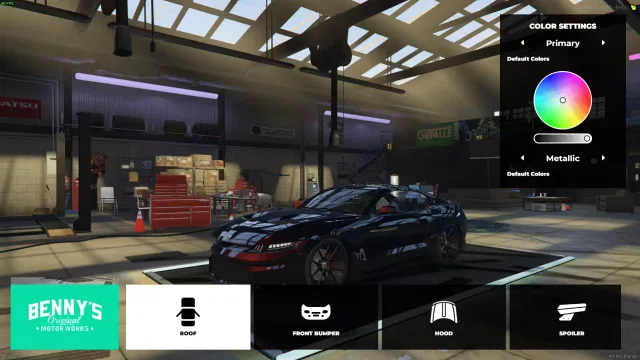
Free Benny's tuning shop with popcorn exhaust and chameleon paint
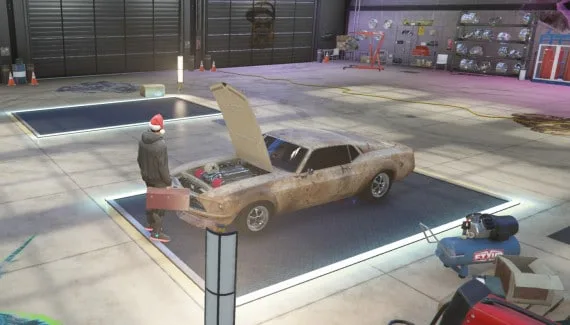
Mechanic job, customs bay and NOS in one qb-menu build
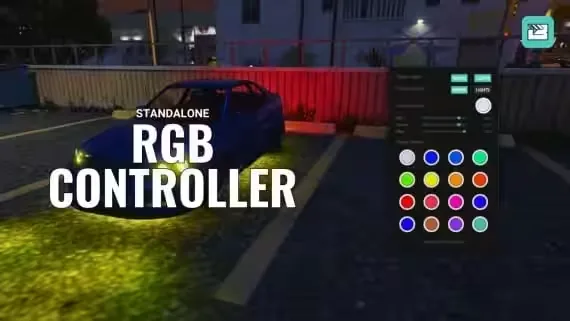
Standalone command-driven RGB picker for your vehicle neons
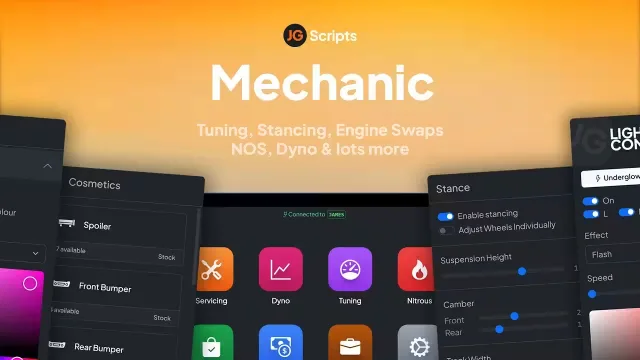
Per-wheel stance, dyno runs and mileage-based servicing in one tablet
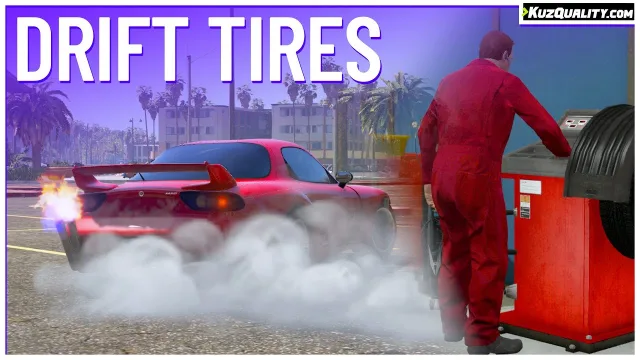
Drift physics without touching a single handling.meta file
A mechanic script is one of the few jobs that touches everyone on your server. Racers need engine work before a meet, criminals need a shop that asks no questions about the bullet holes, and taxi drivers need someone to fix the door they lost on a lamp post. When the job works, money circulates between players instead of draining into NPC repair menus, and your car scene gets a real home. When it does not, everyone types /fix in a parking lot and the roleplay dies.
This category covers the whole stack: mechanic job scripts with employee grades and billing, tuning and performance systems, player owned mechanic shops, and supporting tools like tablets, vehicle lifts and part crafting. The strongest tuning resources treat upgrades as physical items. A turbo sits in ox_inventory, gets carried to the shop and gets bolted on at a lift. Some go further with dyno runs that print real numbers, engine swaps, nitrous systems and per plate handling changes that follow the car through impounds and restarts.
Almost everything here ships with framework bridges for ESX, QBCore and Qbox, and most modern releases lean on ox_lib for menus and ox_target for interactions. Check each product page for the exact list, especially inventory support, since item based tuning only makes sense if the script talks to your inventory. ox_inventory, qb-inventory and qs-inventory are the common targets.
Installation is usually drag and drop plus a SQL file for shop and vehicle data, then a pass through the config to set part prices, shop locations and job grades. Escrowed scripts still expose these configs as open files, so day to day balancing never touches locked code. If you are replacing an existing tuning system, migrate or wipe the old mod data first, and disable any default LS Customs style resource you still run so only one system modifies vehicles. Test the swap on a dev server before it reaches your live city.
Product pages in this category state the things that actually decide a purchase: framework and inventory support, dependencies, escrow status and resmon figures where the author publishes them. Files and keys deliver instantly after checkout, and updates flow through your keymaster or download page as authors release them, so a version bump does not cost you your vehicle data. If an install fights you, support answers with the actual fix instead of pointing you at a Discord invite. And because mechanic and tuning scripts overlap so easily, we flag known conflicts between resources here rather than letting you find them in production.
Nearly all of them ship with bridges for ESX, QBCore and Qbox, and many detect your framework automatically. Check the compatibility list on each product page, especially if you run an older ESX build or a heavily modified core.
Yes, when the script stores mods per plate in your database, which the tuning systems in this category do. Performance parts, handling edits and cosmetics reload with the vehicle after restarts and impounds. Just avoid running two scripts that both write vehicle mods, since they will overwrite each other.
Most item based tuning scripts support ox_inventory, qb-inventory and qs-inventory, and each product page lists which. Without a supported inventory you can usually still run the script in menu mode, but you lose the part economy that makes the job worth doing.
Many scripts here include player owned shops with society funds, employee grades and billing. Owners hire staff, set prices and take commission on completed jobs. Some add stock ordering or shop upgrades so the business has running costs too.
Both exist in this category and every product page states which. Escrowed scripts still ship open config files for prices, locations and part tiers. If you plan heavy custom work on the core logic, filter for the open source versions.
A well built one idles at or near 0.00ms and only rises briefly while a tablet or menu is open. We list resmon figures where authors publish them. Constant high usage usually means a loop left running, so report it and we will take it up with the author.
Usually yes, as long as only one resource writes vehicle mods and handling. Many servers pair a standalone tuning system with a lighter job script for repairs and billing. Check the product page for known conflicts before you combine them.